
Yacht Rating (Course Completion Certificate)
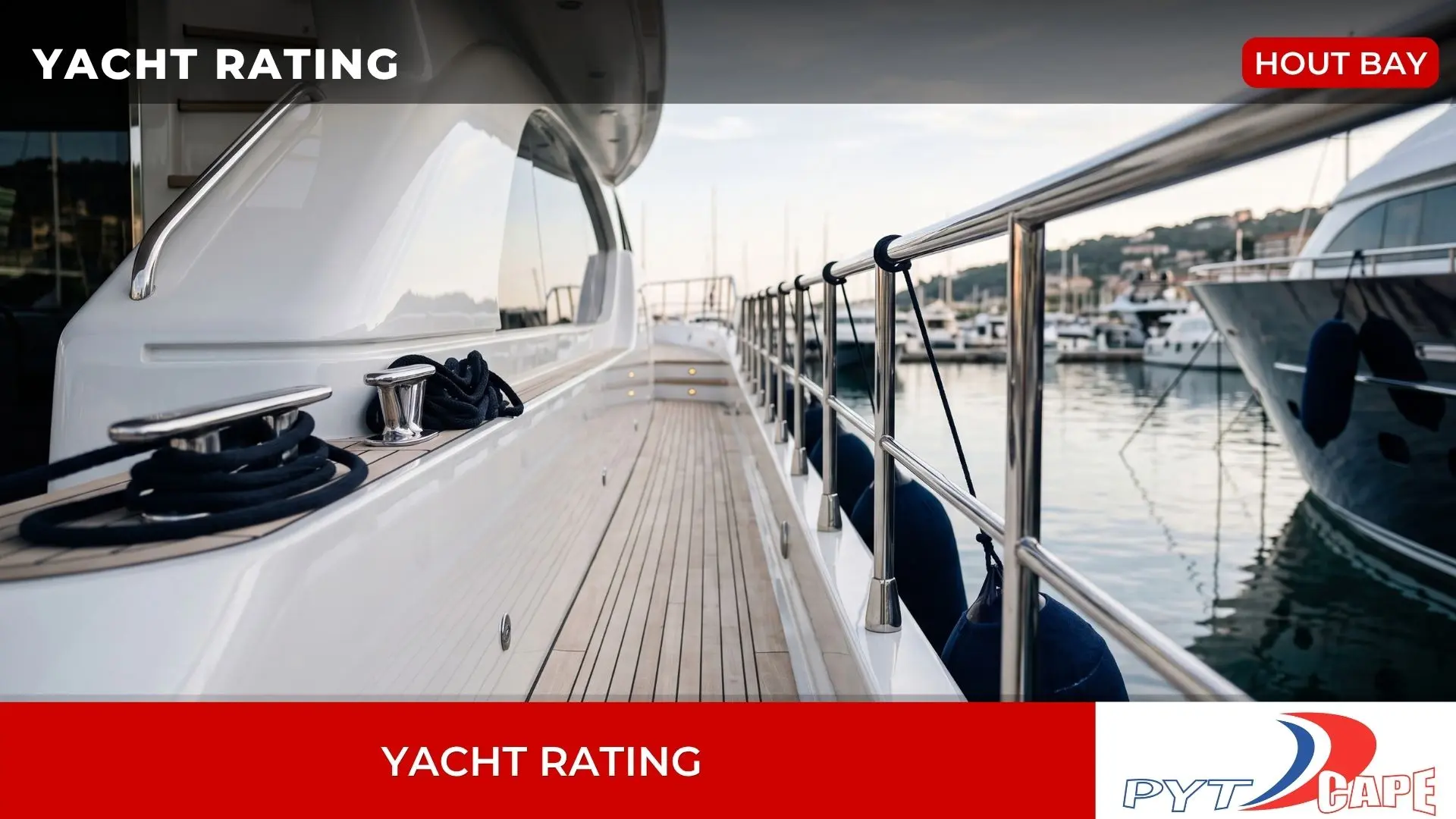
The five days that cut four months off the time it takes to hold an MCA Yacht Rating.
What the Yacht Rating Course covers
Every crew member working aboard an MCA-registered vessel needs an MCA Yacht Rating certificate. That is legislation, not a preference, and there is no route around it.
The certificate itself comes from the MCA directly. Nobody, including us, can issue it. What we can do is change which route you take to get there, and the two routes are not remotely equal.
Without a course, you sign on for a minimum of six months and work through an MCA task book. Every task has to be completed and signed off by the captain or an officer. Six months later, with a fully completed book, you submit it and apply.
With this course, the task book disappears entirely and your required sea service drops from six months to two. You complete the five days, collect your course completion certificate, log two months signed on, and submit both to the MCA.
That is the entire proposition. Five days here saves you four months at sea and removes the administrative risk of a task book that depends on a busy officer finding time to sign it.
The trade is straightforward. The no-course route is cheaper up front. This route costs R7,475 and gets you certified far sooner, which matters if you are trying to move up before a season ends or you are on a vessel where getting sign-offs is a struggle.
Yacht Rating Course Content
The syllabus covers the competencies an MCA rating is expected to demonstrate aboard. Theory and practical run alongside each other through the week.
Watchkeeping duties
Standing a lookout properly, handover procedures, reporting, and what an officer of the watch actually needs from you. The core of the rating role.
Safety equipment
Location, purpose and operation of the equipment carried aboard. Life-saving appliances, firefighting gear, and the checks that keep them serviceable.
Safe working practices
Working aloft and over the side, enclosed spaces, permit-to-work systems, personal protective equipment, and the shipboard hazards that catch out new crew.
Engine watchkeeping
The basics of the machinery spaces. What to look at, what to listen for, what to report and to whom. Enough to stand a useful watch rather than just be present.
Ropework and deck skills
Knots, splices, making fast, heaving lines, mooring and anchoring. The work you will do daily.
Deck maintenance
Routine maintenance, care of lines and fittings, and the standards expected on a yacht rather than a commercial vessel.
Where the Yacht Rating Course certificate takes you
The Yacht Rating is the baseline deck qualification. It is not a ticket to command anything, and it is not meant to be. What it does is make you legally employable on an MCA vessel and signal to a captain that you understand a boat rather than just enjoy being on one.
For most crew it is the foundation the rest of a deck career is built on. The natural progression runs Yacht Rating, then sea time, then the Efficient Deckhand qualification, then Officer of the Watch. Each step needs the one before it.
It also pairs naturally with STCW Basic Safety, which is the other legal minimum for working aboard. Crew holding both are ready to be signed on immediately, which is exactly what an agency wants to see.
Worth noting on timing: because the course drops your requirement to two months, students who complete this before their first contract are often certified before crew who started at sea six months earlier.
